Revenue intelligence. Written by practitioners.
Building a RevOps Forecast Review Cadence That Actually Works
Weekly forecast reviews are theater if your data is stale. Here's how to design a cadence that produces actionable signal, not just attendance.
Rep Sandbagging: How to Detect It Before It Kills Your Q4
Sandbagging looks like conservatism until the quarter closes 40% above forecast.
Late-Stage Deal Velocity: What the Numbers Actually Say
We analyzed 4,000 B2B deals to understand how velocity changes in the 30 days before close.
Multi-Threading Deals and Forecast Accuracy: The Connection RevOps Misses
Single-threaded deals fail at 3x the rate of multi-threaded ones, but your forecast model probably doesn't know the difference.
When to Escalate a Slipping Deal (and When Not To)
Executive escalation is a tool, not a reflex. Here's a signal-based framework for deciding which at-risk deals warrant leadership attention.
Five Questions Your CRO Will Ask About the Forecast (And How to Answer Them)
Every forecast review surfaces the same hard questions. Having signal-derived answers changes the room.
Commit vs. Best Case: The Forecast Categories That Confuse Boards
Most boards have no idea what 'best case' means in your forecast. Here's why the category confusion hurts trust.
Deal Signal Decay: The Silent Quota Killer Nobody Talks About
Deals don't die suddenly. They decay slowly, quietly, in signals your CRM doesn't surface.

How RevOps Can Own the Forecast (Instead of Just Reporting It)
RevOps teams have historically been forecast reporters, not forecast owners. Signal-based tooling is changing that.

Pipeline Coverage Ratio Is a Lie (Here's What to Measure Instead)
3x coverage sounds safe until half of it is fantasy. Why pipeline coverage ratio misrepresents forecast health.
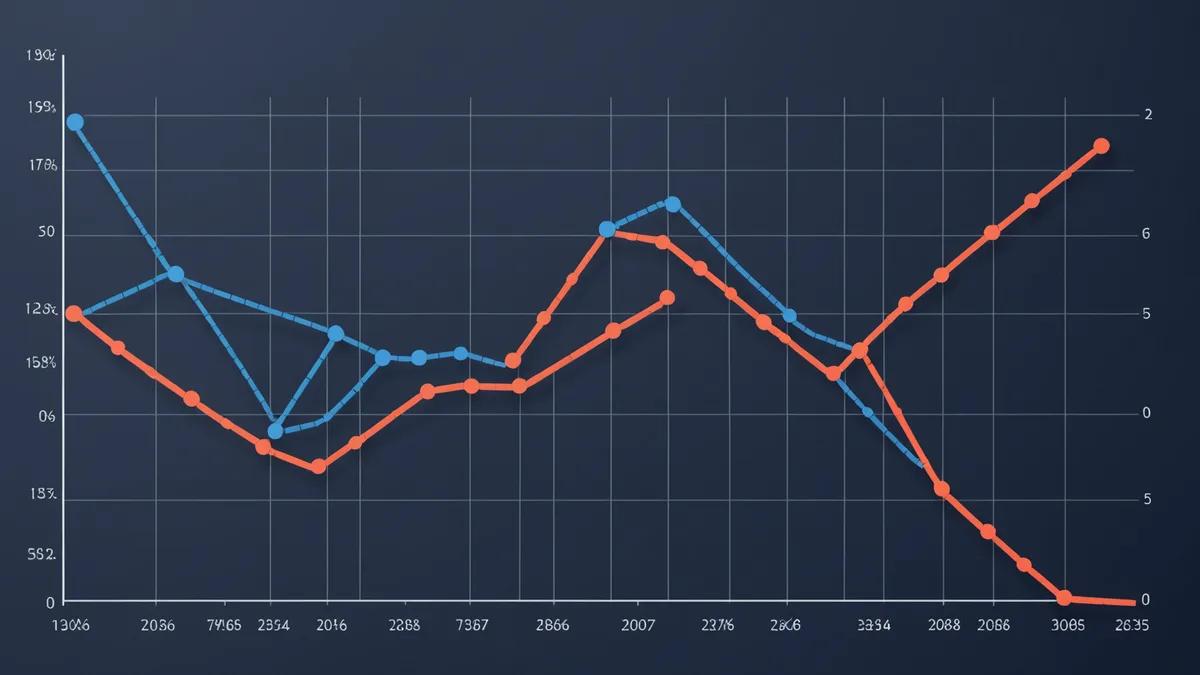
Why Revenue Forecasts Miss the Quarter (It's Not the Reps)
The instinct is to blame rep optimism. The real cause is structural: forecast models that trust inputs from people most incentivized to be wrong.
What CRM Data Misses About Deal Health (And How to Fill the Gap)
CRMs are designed to track what happens, not to predict what will. Here's the layer of signal that lives between the field updates.